
Sweepstakes Casino Class Action Lawsuits: Case Tracker and Player Impact
 Available in US
Somewhere between 50 and 80 class-action lawsuits are currently active against sweepstakes casino operators across the United States. That is not a typo, and it is not a projection — it is the running count of cases filed by plaintiffs who argue that these platforms operate illegal gambling operations disguised as sweepstakes promotions. The legal assault on the sweepstakes casino model is happening in parallel with the legislative ban wave, and the two forces are reinforcing each other in ways that could reshape the industry fundamentally.
I have been tracking these cases for three years, reading filings, monitoring rulings, and watching how operators respond. The lawsuits range from individual claims to massive class actions with tens of thousands of potential class members. The legal arguments are remarkably consistent across cases, and the outcomes so far offer a roadmap for where this litigation is heading.
Overview of 50-80 Active Lawsuits Nationwide
The sheer volume of litigation is unprecedented for a sector this size. For context, the sweepstakes casino market generated approximately $3.4 billion in net gaming revenue in 2024. The legal fees, settlements, and potential damages from 50 to 80 concurrent lawsuits could represent a material drag on industry profitability — especially for smaller operators without the cash reserves to sustain prolonged litigation.
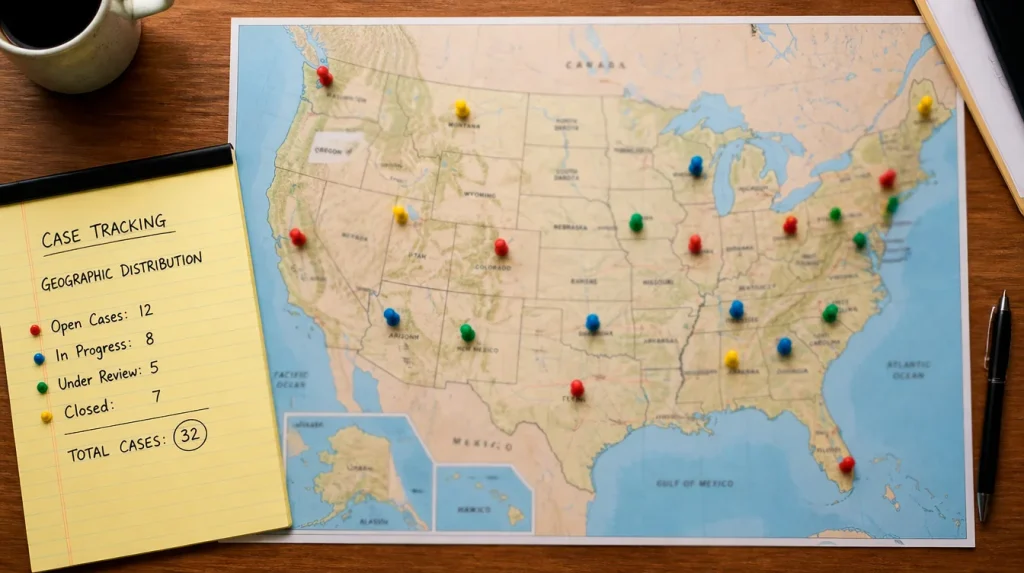
The lawsuits cluster around a few major operators, which makes sense given market concentration. VGW — the company behind Chumba Casino, LuckyLand, and Global Poker — faces multiple suits, which is unsurprising given that Chumba alone generated A$5.2 billion (approximately $3.7 billion) in revenue in fiscal year 2025. When that much money flows through a legally ambiguous model, litigation follows.
The geographic distribution of cases tracks state gambling laws. Lawsuits filed in states with strict gambling definitions — where the legal argument that sweepstakes casinos constitute illegal gambling has the strongest footing — tend to survive initial motions to dismiss more frequently than those filed in states with more permissive definitions. Plaintiffs’ attorneys have become increasingly strategic about venue selection, filing in jurisdictions where the legal landscape favors their arguments.
The cases are in various stages — some are in early discovery, others have survived motions to dismiss and are progressing toward settlement discussions or trial, and a handful have been dismissed. The SGLA’s managing director Sean Ostrow argued that a ban bill like Indiana’s HB 1052 “would criminalize law-abiding businesses while doing little to stop illegal operators who exploit consumers,” framing the legislative and litigation pressures as threats to legitimate operators rather than protections for consumers.
Celebrity Endorsement Lawsuits: Drake, Adin Ross, and Others
The most publicly visible lawsuits involve celebrity endorsers who promoted sweepstakes casinos to their audiences. Drake’s endorsement deal with Stake — estimated at $100 million per year — has made him a named defendant in litigation alleging that his promotion of the platform to American audiences constituted facilitation of illegal gambling. Adin Ross faces similar claims related to his promotional activities.
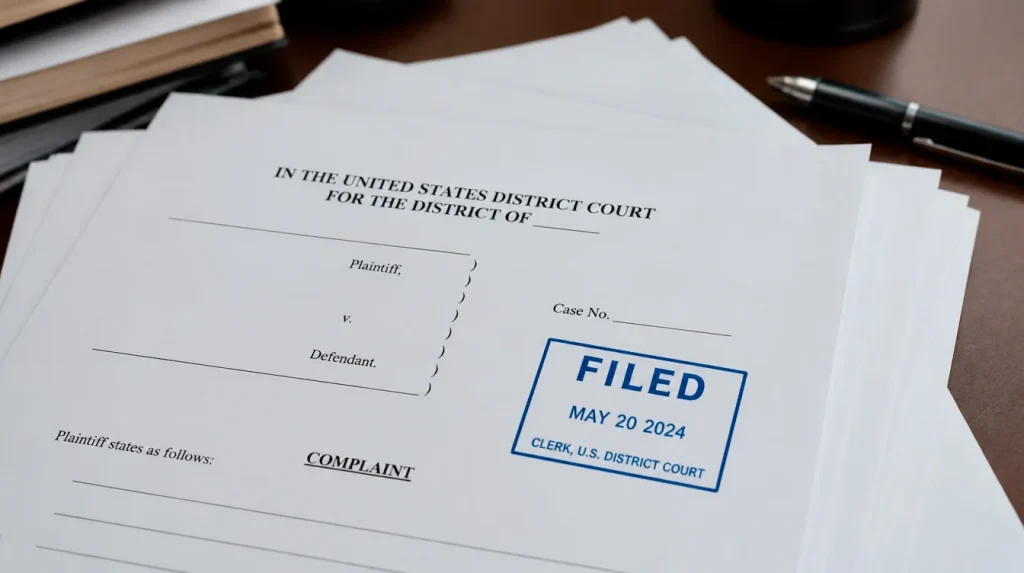
These cases break new legal ground. Celebrity endorsement liability for gambling products has limited precedent, and the courts are working through questions that the advertising industry has not previously addressed in this context: does a celebrity who promotes a sweepstakes casino bear legal responsibility if the platform is later determined to operate illegally? Does the celebrity’s knowledge of the product’s legal status matter, or is the promotion itself sufficient for liability?
A spokesperson for one of the named platforms dismissed the litigation bluntly, calling the claims “a nonsense claim” and stating the company was “not concerned about this lawsuit.” That confidence may be well-founded from a legal strategy perspective — celebrity endorsement liability is difficult to establish, and the cases face high evidentiary bars — but the public attention these suits generate amplifies the broader narrative that sweepstakes casinos operate in a legal gray zone.
The celebrity cases also highlight the advertising dimension of the sweepstakes casino market. Nearly half of all real-money casino advertising seen by consumers in early 2025 came from offshore sweepstakes operators. When that advertising volume is delivered through celebrity endorsements reaching millions of social media followers, the regulatory and legal exposure multiplies.
Core Legal Arguments in Sweepstakes Casino Litigation
Across the 50 to 80 active cases, the plaintiff arguments follow a consistent framework. The central claim is that sweepstakes casinos meet the legal definition of gambling under state law despite their promotional sweepstakes structure. Plaintiffs argue that the Gold Coin purchase is a de facto wager, the Sweeps Coin bonus is the consideration, the game outcome is chance, and the SC redemption is the prize. If all elements of gambling are present, the sweepstakes label is just window dressing.
The second line of argument targets the “no purchase necessary” requirement. Plaintiffs contend that while sweepstakes casinos technically offer free entry through AMOE (mail-in requests, daily logins), these free methods are so inconvenient and yield so little SC relative to purchased methods that they do not constitute a genuine alternate path to prize eligibility. The argument is that AMOE is a legal fiction — it exists to satisfy the letter of sweepstakes law while the economic reality is that meaningful play requires purchase.
The defense position is equally consistent: sweepstakes casinos are lawful promotional sweepstakes, not gambling; Gold Coin purchases are for entertainment products, not wagers; Sweeps Coins are promotional bonuses, not consideration; and the free entry methods satisfy the legal requirements for sweepstakes eligibility. California’s $2.42 billion in annual sweepstakes purchases before the AB 831 ban — making it 17.3% of the national market — demonstrates the scale at which these legal arguments have real economic consequences.
Courts have ruled both ways. Some judges have found that the sweepstakes model does not constitute gambling under the applicable state’s definition. Others have allowed cases to proceed past the motion-to-dismiss stage, which signals that the legal arguments are at minimum plausible. No appellate court has issued a definitive ruling that resolves the ambiguity nationally, which means the legal landscape remains genuinely uncertain.
What These Lawsuits Mean for Players
If you play at a sweepstakes casino that is named in a class-action lawsuit, the immediate practical impact is likely zero. The platforms continue operating while litigation proceeds, and your account, balance, and redemption capabilities are unaffected by pending cases. Lawsuits take years to resolve, and operators have strong incentives to maintain normal operations throughout the process.

The longer-term implications are more significant. If a major case results in a ruling that sweepstakes casinos constitute illegal gambling in a specific state, the operator will almost certainly exit that state — similar to VGW’s withdrawal from Canada in October 2025, which the company framed as a strategic decision to “focus on the US market.” Players in affected states would lose access, and any unredeemed SC balance might be forfeited depending on the operator’s terms and the court’s ruling.
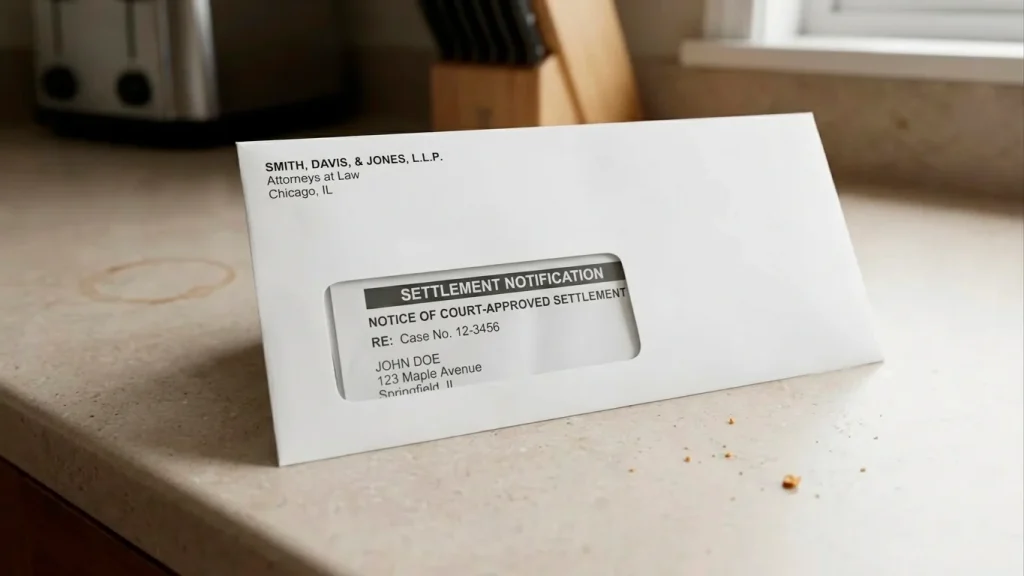
Class-action settlements could also produce direct payouts to players. If a case settles — which is the most common outcome in class-action litigation — members of the class (typically defined as anyone who made purchases on the platform during a specified period) may receive partial refunds or credits. The amounts in gambling-related class actions tend to be modest relative to individual losses, but the aggregate can be substantial.
For players monitoring their exposure, the most important action is maintaining detailed records of all purchases and redemptions. If you become eligible for a class-action settlement, documentation of your activity strengthens your claim. Keep records of Gold Coin purchase dates, amounts, payment methods, and SC redemption history. This documentation also serves the state ban tracking process, since legislative bans and litigation often target the same platforms and timeframes.
Can I join a class action lawsuit against a sweepstakes casino?
In most class-action cases, you are automatically included in the class if you meet the definition — typically anyone who made purchases on the named platform during a specified period. You do not need to take action to join. If a settlement is reached, you will be notified and given the opportunity to submit a claim or opt out. If you want to pursue an individual claim rather than participating in the class action, you would need to opt out and retain your own attorney.
Have any sweepstakes casino lawsuits resulted in player payouts?
As of mid-2026, the majority of active cases remain in pre-trial stages — discovery, motions practice, or settlement negotiations. Some cases have been dismissed, and a few have reached confidential settlements whose terms are not publicly disclosed. No landmark trial verdict has produced a large-scale player payout to date, but the volume of pending litigation and the progression of several cases toward settlement suggest that payouts to class members are a realistic possibility in the near to medium term.
The full ranking is in our guide to the best US sweepstakes casinos.
The legislative side of it: the banned states tracker.
Articles
Prepared by the Best Sweepstakes Casinos US editorial staff.