
Sweepstakes Casino Banned States in 2026: Every Ban With Bill Details
 Available in US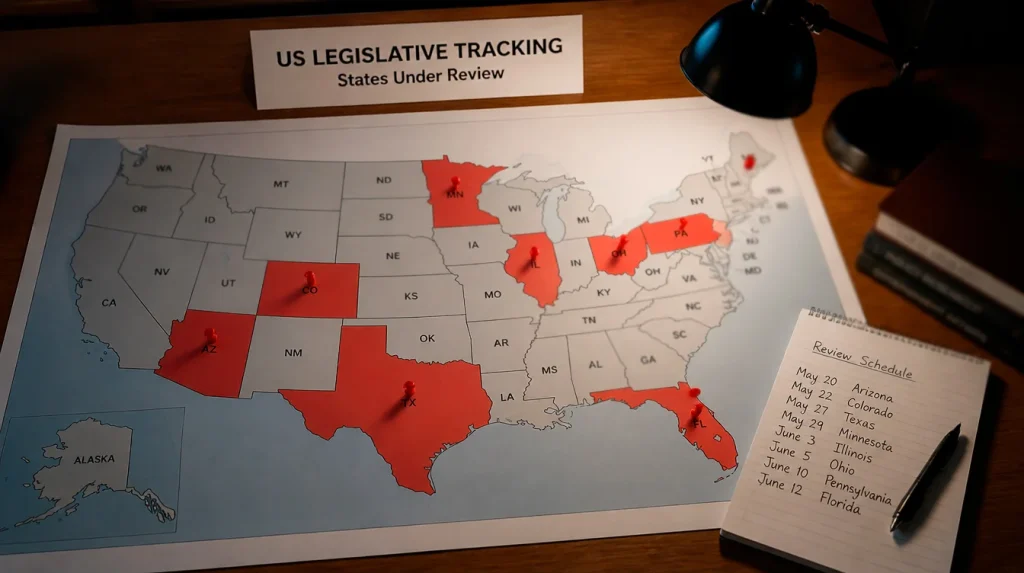
On January 1, 2026, millions of California players lost access to every sweepstakes casino overnight. Governor Newsom had signed AB 831 on October 11, 2025, and when the effective date hit, platforms that had been generating $2.42 billion in annual purchases from California alone went dark in the state. California represented 17.3% of all US sweepstakes casino sales — the single largest state market — and its ban sent shockwaves through operator revenue projections and player communities simultaneously.
That was not an isolated event. In 2025, six states enacted sweepstakes casino bans: California, New York, New Jersey, Connecticut, Montana, and Washington, which strengthened its existing restrictions. Six additional states considered bans but did not pass them. As of mid-2026, seven more states are actively debating legislation. The ban wave is the defining regulatory story of the sweepstakes casino industry, and it is far from over.
Chronological Ban Timeline: 2025 Through Mid-2026
I track every sweepstakes casino bill filed at the state level, and the timeline from 2025 into 2026 reads like a cascade. The bans did not happen all at once — they built momentum across legislative sessions, with each successful ban providing a template for the next state.
Washington already restricted sweepstakes casinos before the 2025 wave, but it strengthened enforcement mechanisms during the year. Montana moved next, passing legislation that took effect in the latter half of 2025. Connecticut followed with its own ban, cutting off a smaller but still meaningful player base.
New Jersey’s ban reflected the state’s position as a regulated iGaming market — lawmakers there viewed sweepstakes casinos as unregulated competition to the licensed online casinos already operating under state oversight. The political dynamics were straightforward: existing casino operators lobbied for sweepstakes bans to protect their regulated market share, and legislators responsive to gaming industry tax revenue had financial incentives to comply.
New York signed S 5935A on December 5, 2025, and the law’s penalty structure set a new standard for enforcement severity. Fines range from $10,000 to $100,000 per violation, and the law extends liability beyond operators to include payment processors, geolocation vendors, and marketing affiliates. That breadth of liability is significant — it means companies providing infrastructure services to sweepstakes casinos face direct legal exposure in New York, not just the operators themselves.
California’s ban under AB 831 was the most consequential by revenue impact. The state’s $2.42 billion in sweepstakes casino purchases dwarfed every other state. Eilers and Krejcik Gaming revised their industry net revenue forecast for 2025 from $4.7 billion down to $4 billion partly in response to the California ban, and their base-case projection for 2026 anticipates a further 10% decline to $3.6 billion.
Into 2026, the pace continued. Maine’s governor signed LD 2007 on April 6, 2026, making it the ninth state with a direct legislative ban, with an effective date around July 14, 2026. Indiana passed HB 1052 with an overwhelming 87-to-11 House vote, establishing civil penalties up to $100,000 per violation and an effective date of July 1, 2026. Tennessee’s attorney general issued approximately 40 cease-and-desist orders to sweepstakes operators on December 29, 2025, and nearly all complied within 30 days. Senate Bill 2136 subsequently passed the Tennessee Senate 32-to-0 in March 2026.
Penalties and Enforcement: Fines, Liability, Scope
The penalty structures in these bans are not decorative. I have reviewed the bill texts for every enacted ban, and the enforcement mechanisms have grown progressively more aggressive with each new state.
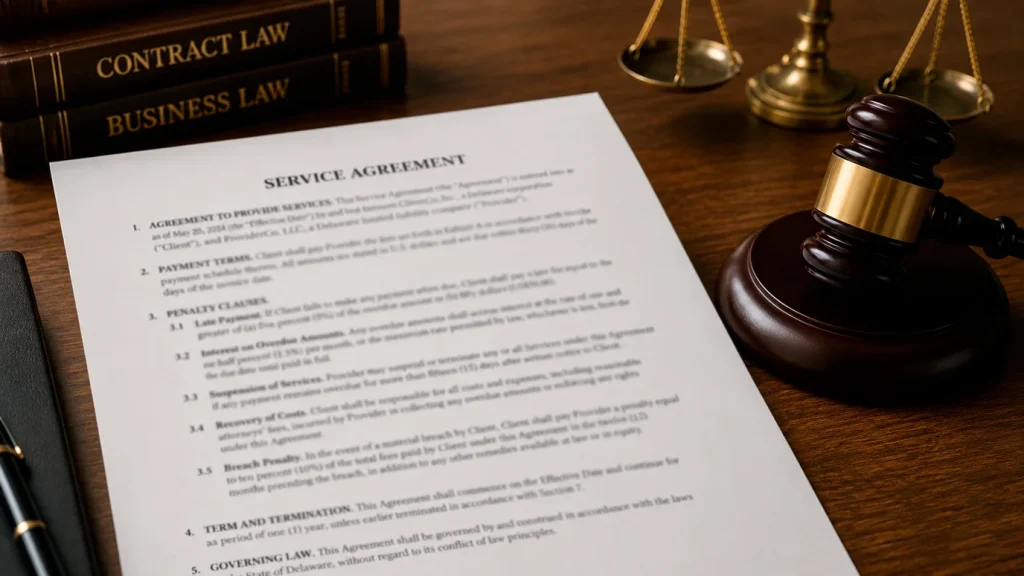
New York’s S 5935A is the most far-reaching. The $10,000 to $100,000 per-violation fine structure applies not only to operators but to anyone in the supply chain — payment processors that facilitate Gold Coin purchases, geolocation companies that verify player location, and affiliate marketers that drive traffic. This distributed liability model makes it significantly harder for operators to continue serving New York players through technical workarounds, because every vendor they rely on faces independent legal exposure.
Indiana’s HB 1052 establishes civil penalties up to $100,000 per violation without the criminal component that some states have pursued. The Social Gaming Leadership Alliance called the bill out, arguing it “would criminalize law-abiding businesses while doing little to stop illegal operators who exploit consumers.” That framing reflects the industry’s position that legislative bans are blunt instruments that penalize compliant operators while leaving truly predatory platforms untouched — a concern that has merit but has not slowed the legislative momentum.
Enforcement varies in practice. States with dedicated gaming commissions — Nevada, New Jersey, Pennsylvania — have the infrastructure to monitor and enforce bans actively. States without gaming-specific regulatory bodies may pass bans that look strong on paper but lack the enforcement apparatus to make them effective. The Tennessee model of attorney general-issued cease-and-desist orders represents a middle ground: targeted enforcement without the overhead of a standing regulatory agency.
Who Is Behind the Ban Movement
The ban wave did not emerge from consumer demand. Polling consistently shows that 62% of Americans consider gambling personally acceptable, and 134 million adults visited a casino in the past year — record numbers. The push for sweepstakes casino bans comes from a different set of interests.

The American Gaming Association, representing regulated casino operators, has been the most visible advocate for bans. AGA’s VP of Government Relations Tres York described sweepstakes operators as entities that “present themselves like legal, regulated platforms — but they operate outside the law and regulation.” The AGA’s position is straightforward: sweepstakes casinos compete with regulated operators for the same players without paying the same licensing fees, taxes, or compliance costs. The 90% of sweepstakes players who consider the activity gambling — per the AGA’s own survey of 2,250 players — reinforces the argument that these platforms are functionally gambling operations operating without gambling licenses.
Nearly half of all real-money casino advertising that consumers saw in early 2025 originated from offshore sweepstakes operators, according to AGA data from Sensor Tower analytics. That advertising volume represents direct competition for player attention, and the regulated industry views it as unfair competition from unlicensed rivals.
On the other side, the Social Gaming Leadership Alliance advocates for the sweepstakes model’s continued operation. The SGLA’s managing director Sean Ostrow responded to the Maine ban by stating the law “will do nothing to generate revenue for the state nor protect Mainers from exploitative illegal online gambling.” The SGLA frames sweepstakes casinos as legal entertainment products that provide consumer choice, and argues that bans push players toward genuinely illegal offshore gambling sites with no consumer protections at all. The full regulatory picture, including where sweepstakes and real-money casinos diverge on oversight and player protections, shapes the arguments on both sides.
Which state lost the most sweepstakes casino revenue after banning?
California, by a significant margin. The state accounted for 17.3% of all US sweepstakes casino purchases, generating approximately $2.42 billion in annual sales before the ban took effect on January 1, 2026. No other banned state approaches that revenue figure. The California ban was a primary factor in Eilers and Krejcik Gaming"s downward revision of their industry revenue forecast.
Can players in banned states access sweepstakes casinos with a VPN?
Attempting to bypass state-level geolocation restrictions using a VPN violates the terms of service of every legitimate sweepstakes casino. Operators use sophisticated geolocation technology to verify player location, and VPN detection is a standard component of those systems. Players caught using a VPN risk permanent account suspension and forfeiture of any accumulated balance including unredeemed Sweeps Coins. Beyond the platform-level consequences, accessing a banned service may carry legal implications depending on the specific state"s enforcement provisions.
The full ranking is in our guide to the best US sweepstakes casinos.
Where play is still allowed: the legal states map.
Articles
Prepared by the Best Sweepstakes Casinos US editorial staff.