
Sweepstakes Casino KYC Verification: Documents, Timelines, and Common Issues
 Available in US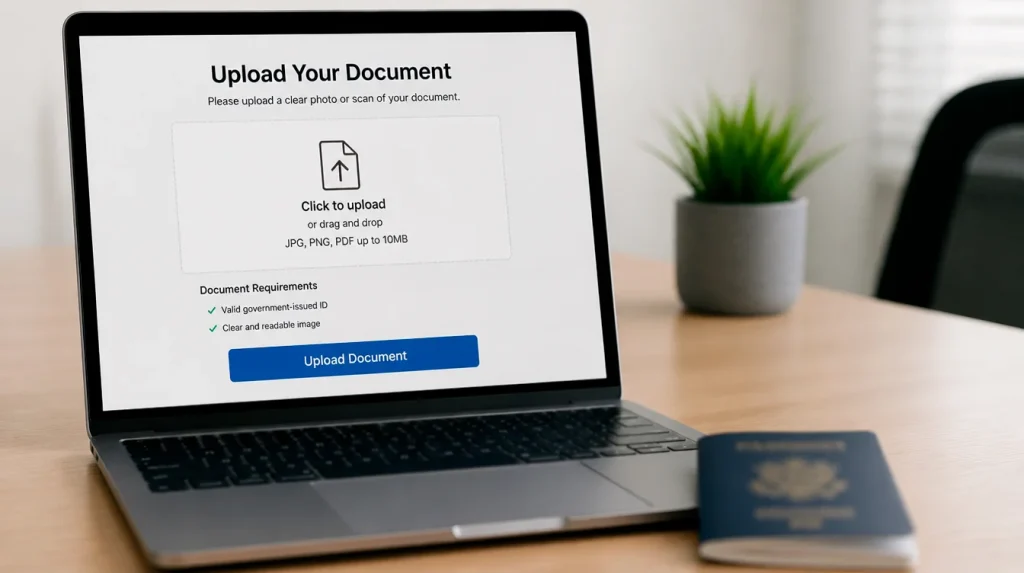
My first KYC verification at a sweepstakes casino took six days. I submitted a driver’s license photo, a utility bill for proof of address, and a selfie holding the ID next to my face. The selfie was rejected because the lighting was poor and the text on the license was not legible in the photo. I resubmitted, waited another three days, and finally received confirmation that my account was verified and my 47 SC redemption could process. The total delay from submitting the redemption request to receiving cash was nine days — not because the operator was acting in bad faith, but because KYC verification is a manual, document-intensive process that most players are unprepared for the first time they encounter it.
KYC stands for Know Your Customer, a compliance framework borrowed from the financial services industry. Every legitimate sweepstakes casino requires KYC verification before processing a player’s first Sweeps Coin redemption. The purpose is twofold: confirm the player’s identity to prevent fraud and money laundering, and verify that the player meets the platform’s age and geographic eligibility requirements. With roughly 55 million Americans playing sweepstakes games, KYC is the bottleneck between accumulating SC and converting it to cash.
What Documents You Need and Why
I keep a dedicated folder on my phone with pre-photographed KYC documents — clear, well-lit images of my driver’s license (front and back), a recent utility bill, and a bank statement with my address visible. Having these ready cuts the verification timeline from days to hours because I can submit immediately when prompted rather than scrambling to find documents and take acceptable photos.
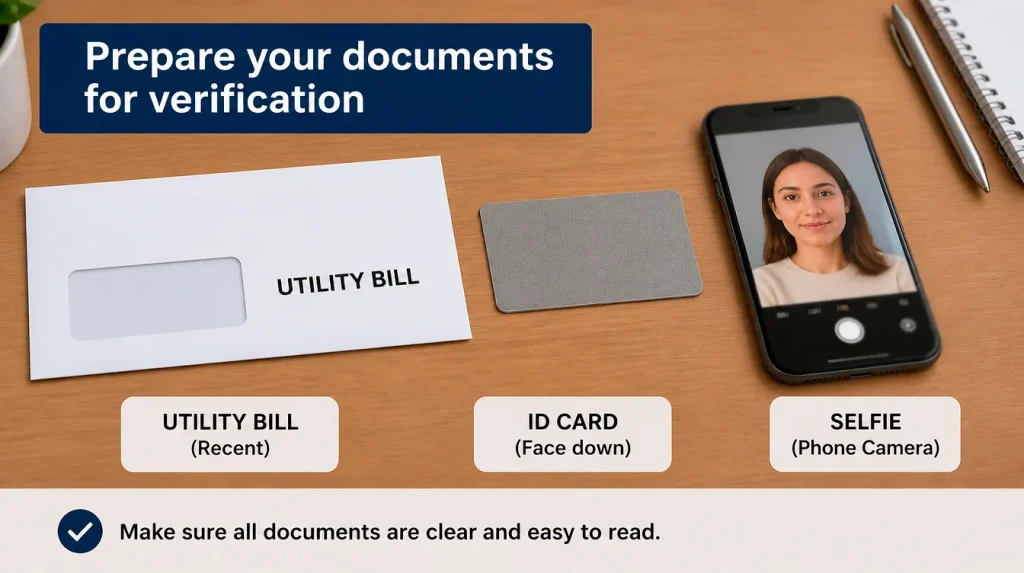
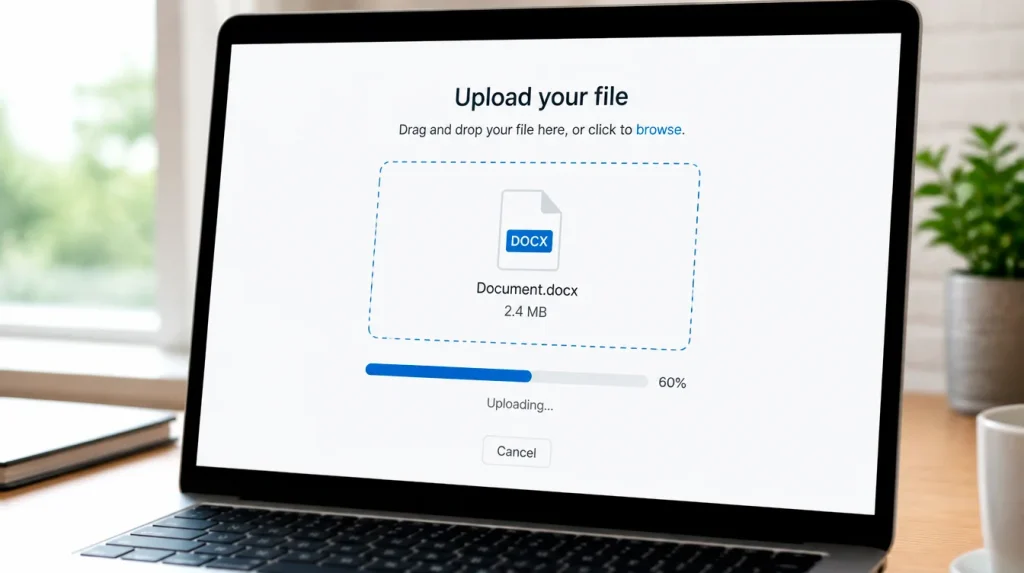
Government-issued photo ID is universal. Every operator requires it. Acceptable forms include a US driver’s license, state-issued ID card, or US passport. The ID must be current — expired documents are rejected. The photo must be clear enough to read all text, including the ID number, name, date of birth, and expiration date. Glare, shadow, and cropping are the three most common reasons for rejection. Photograph the ID on a dark, flat surface with even lighting from directly above, and ensure all four edges of the document are visible in the frame.
Proof of address verifies that you reside at the address you provided during registration and that your location is in an eligible state. Accepted documents typically include utility bills (electric, gas, water), bank statements, or government correspondence dated within the past 60 to 90 days. The document must show your full legal name and current address. Some operators accept a credit card statement; others specifically exclude it. Read the KYC requirements page before submitting to avoid wasted time on unacceptable document types.
Selfie verification — holding your ID next to your face for a photo — is increasingly common. The operator compares the selfie to the ID photo to confirm the person submitting documents is the account holder. This step catches cases where someone used another person’s identity during registration. The selfie needs to clearly show both your face and the ID photo in a single frame, which is physically awkward but manageable with a front-facing phone camera and a steady hand.
Verification Timelines: What to Expect
The clock starts when you submit all required documents, not when you initiate the redemption request. If you request a redemption and the platform prompts KYC, submitting documents promptly is the single most effective way to reduce the total delay.
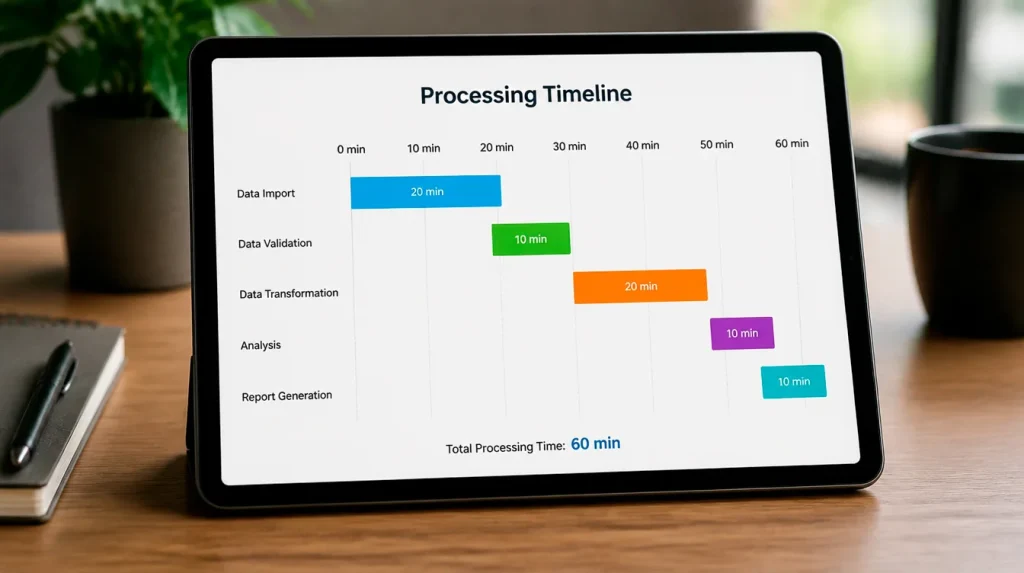
Automated verification systems — used by some larger operators — can process documents in minutes to hours. These systems use OCR (optical character recognition) to read document text, cross-reference it against databases, and flag inconsistencies for manual review. If the automated system approves your documents, you may see verification confirmed within the same day.
Manual verification — still the standard at many operators — involves a human compliance team member reviewing your documents individually. Processing times range from 24 to 72 hours during normal periods and can extend to 5 to 7 business days during high-volume periods or when staffing is limited. Weekends and holidays add to the timeline because most compliance teams operate on business-day schedules.
First-time verifications take the longest because the operator is establishing your identity from scratch. Subsequent redemptions at the same platform typically do not require re-verification unless you change your address, your ID expires, or the operator triggers a periodic review. That makes the first redemption the worst one in terms of delay — every payout after that moves faster.
Common Rejection Reasons and How to Avoid Them
After processing KYC at over a dozen platforms, I have compiled the recurring rejection patterns. Avoiding these issues upfront eliminates the resubmission cycle that turns a 48-hour process into a week-long ordeal.
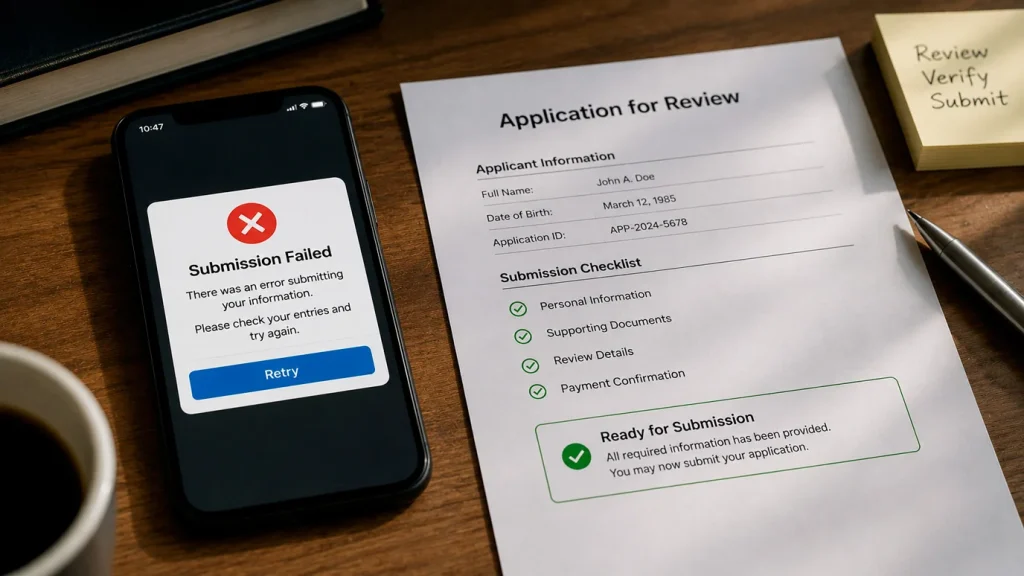
Image quality accounts for about half of all rejections. Photos that are blurry, poorly lit, partially cropped, or obscured by glare force the reviewer to request resubmission. The fix is simple: photograph documents on a dark matte surface under diffused lighting. Use your phone’s macro mode if available, and verify that all text is readable at full zoom before submitting.
Name mismatches are the second most common issue. If your registration name is “Mike” but your ID reads “Michael,” some operators will flag the discrepancy. Use your legal name exactly as it appears on your government ID during registration. Middle names, suffixes (Jr., III), and hyphenated surnames should match precisely. A mismatch does not usually result in permanent rejection, but it triggers manual review and delays the process.
Address discrepancies arise when the address on your proof-of-address document differs from your registration address. If you moved recently and your utility bill shows your old address, you will need a document that reflects your current address. Some operators accept a change-of-address confirmation from USPS as supplementary documentation.
Expired documents are automatically rejected. Check your ID’s expiration date before submitting, and ensure your proof-of-address document falls within the operator’s recency window — typically 60 to 90 days. A utility bill from six months ago will not satisfy the requirement regardless of how clearly it is photographed.
Proactive KYC vs. Deferred KYC
Operators split into two camps on when they trigger KYC. The distinction matters more than most players realize because it affects both your experience and your protection.

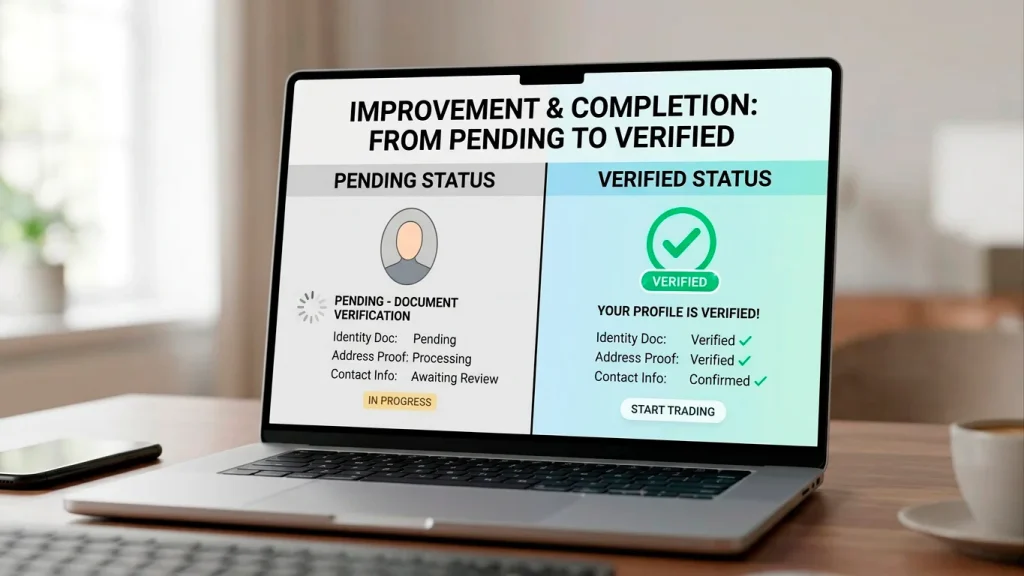
Deferred KYC — the more common model — delays verification until your first redemption attempt. You can register, play in both GC and SC modes, accumulate balances, and engage fully with the platform without proving your identity. The verification wall only appears when you try to convert SC to cash. This approach minimizes registration friction and maximizes player onboarding, which is why most operators prefer it.
Proactive KYC requires identity verification at registration or shortly after account creation, before you can play in SC mode. This model reduces conversion rates because some players abandon signup when asked for documents upfront. But it closes the gap that deferred KYC creates — the window where unverified players, potentially underage or from banned states, can play freely. The 71% of players aged 21 to 34 who make up the core sweepstakes demographic generally have the digital literacy to complete proactive KYC without friction, making the registration barrier less significant than it might seem.
From a player safety perspective, proactive KYC is better. It confirms eligibility before you invest time and possibly money into the platform. Discovering at the redemption stage that your state is banned — after you have played for weeks and accumulated a balance — is a materially worse outcome than learning it at registration. Understanding the age requirements before starting the KYC process helps you anticipate which documents will be needed based on your state and the platform’s policies.
The trend in the industry is slowly moving toward proactive verification, driven partly by regulatory pressure and partly by operators recognizing that verified players have higher lifetime value because they can redeem without delay. Whether this shift accelerates depends on how the ongoing legislative battles over sweepstakes casinos resolve — stricter regulation would likely mandate proactive KYC, while the current light-touch environment leaves it as a competitive choice.
How long does sweepstakes casino KYC verification take?
Timelines vary by operator and verification method. Automated systems can process documents within hours. Manual review by compliance staff typically takes 24 to 72 hours during normal periods and can extend to 5 to 7 business days during high-volume periods. First-time verifications take longer than subsequent ones because the operator is establishing your identity from scratch. Having clear, well-lit document photos ready to submit immediately when prompted is the most effective way to minimize the delay.
Can I play sweepstakes casino games before completing KYC?
At most platforms, yes. The majority of operators use deferred KYC, which means verification is required only when you attempt to redeem Sweeps Coins for the first time. You can register, play in both Gold Coin and Sweeps Coin modes, and accumulate balances without completing identity verification. A smaller number of operators require proactive KYC at registration before allowing access to SC mode. The deferred model is more common because it reduces signup friction, but the proactive model offers better player protection by confirming eligibility before play begins.
The full ranking is in our guide to the best US sweepstakes casinos.
Where verification bites: the payout process.
Articles
Prepared by the Best Sweepstakes Casinos US editorial staff.