
Sweepstakes Casino Loyalty Programs: How Tier Systems and Rewards Work
 Available in US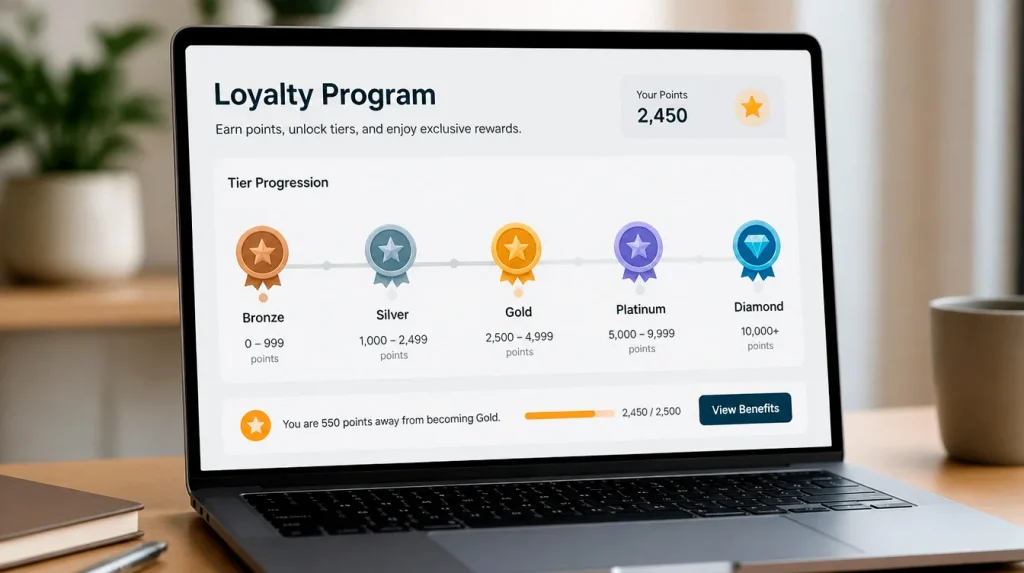
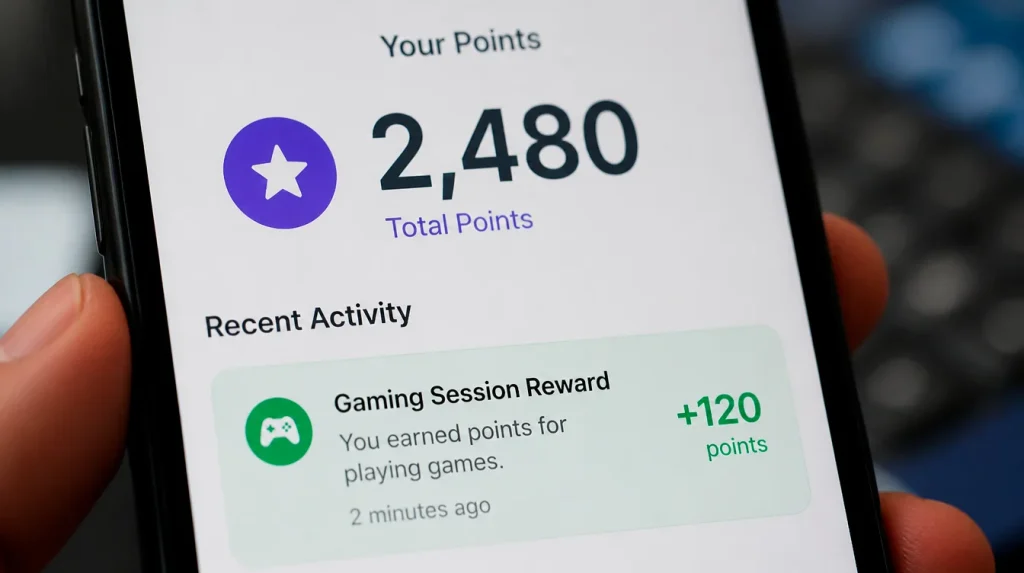
After six months on one sweepstakes casino, I noticed something odd in my account dashboard: a small progress bar that had been filling up without my knowledge. It turned out I had been accumulating loyalty points on every Gold Coin purchase and every SC wager, and I was halfway to a tier upgrade that came with bonus SC, enhanced daily login rewards, and priority redemption processing. Nobody had told me. The loyalty program existed, I was enrolled by default, and the benefits were genuinely useful — but the platform did nothing to surface them until I stumbled onto the rewards page by accident.
That discovery is common among sweepstakes casino players. Loyalty programs exist at a growing number of platforms, but they rarely get the visibility that welcome bonuses receive. In a market with roughly 140 active platforms and net gaming revenue of $3.6 to $4.2 billion in 2025, loyalty programs are how operators retain their most valuable players — and understanding them can meaningfully change the value equation for anyone who plays regularly.
How Sweepstakes Casino Loyalty Programs Are Structured
Most loyalty programs follow a tiered structure borrowed from airline frequent flyer programs and traditional casino player clubs. You earn points through activity — Gold Coin purchases, SC wagering, or both — and those points determine your tier level. Higher tiers unlock better rewards.
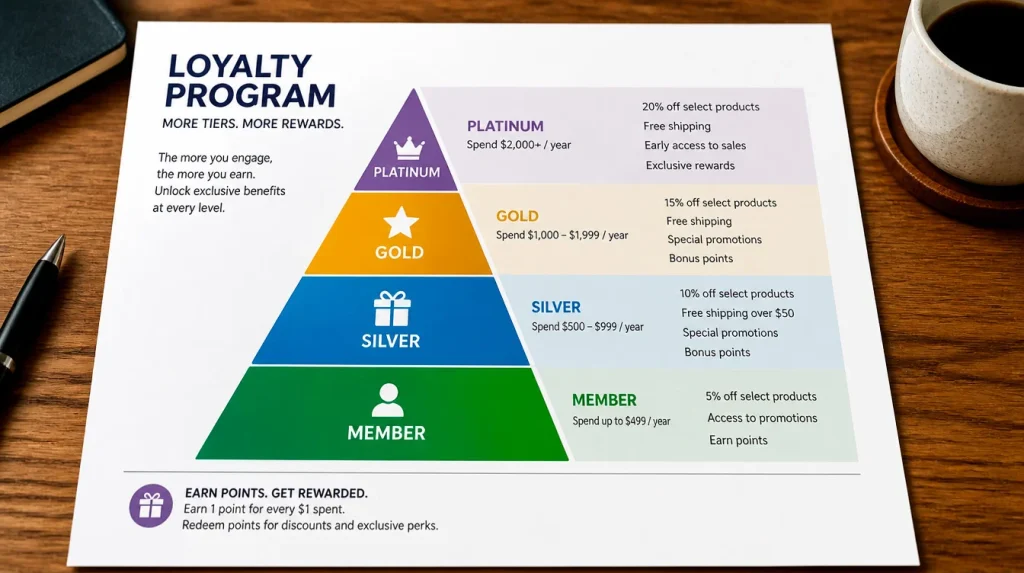
The typical structure runs three to six tiers. Entry-level tiers are automatic: you are placed in the base tier upon registration. Moving up requires sustained activity over defined periods — weekly, monthly, or cumulative. Some programs reset tier status periodically, meaning you must maintain activity levels to keep your position. Others use a cumulative model where you never drop tiers once achieved.
Point accrual rates vary by platform and by activity type. A common structure awards one loyalty point per Gold Coin purchased and one point per SC wagered, but the ratios differ significantly across operators. Some weight purchases more heavily than wagering; others do the reverse. The transparency of these accrual mechanics ranges from fully documented in the rewards page to completely opaque, requiring you to reverse-engineer the rates from your account activity.
The rewards associated with each tier typically include bonus SC credits (either periodic or on-demand), enhanced daily login bonuses, reduced playthrough requirements on bonus SC, priority customer support access, faster redemption processing, and exclusive promotional offers. The gap between the base tier and the top tier can be substantial — a top-tier player might receive 3x the daily login SC and have their redemptions processed in 12 hours instead of 48.
Measuring the Real Value of Loyalty Rewards
I track the effective loyalty rebate rate at every platform I test — the percentage of your total spending that comes back through loyalty rewards. It is the only number that tells you whether a loyalty program is meaningful or decorative.
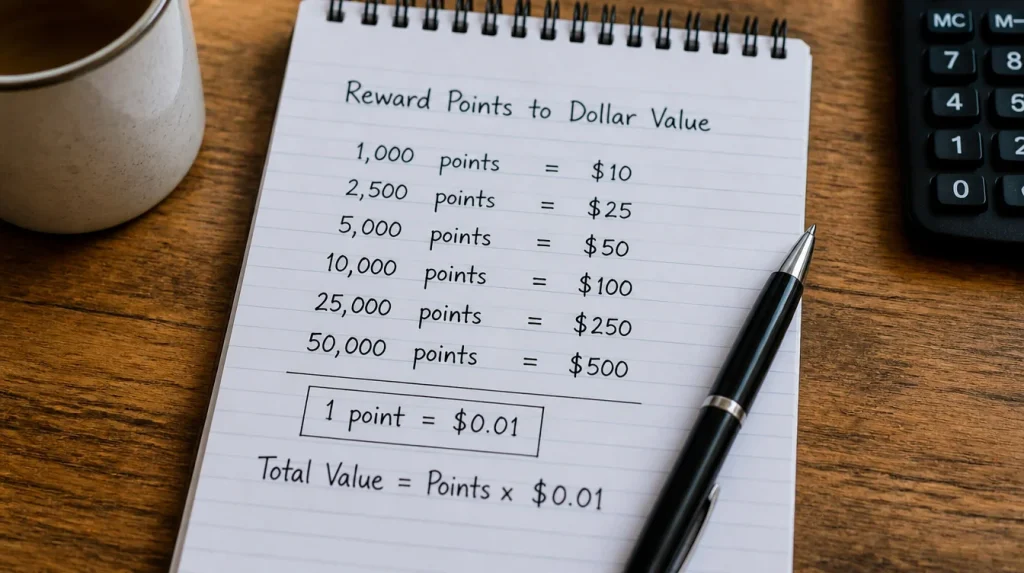
An effective rebate of 1% to 3% is typical at the base tier. If you purchase $100 in Gold Coins and receive the equivalent of $1 to $3 in loyalty SC or bonuses, the program is adding marginal value that compounds over time but does not materially change your session economics. At higher tiers, effective rebates can reach 5% to 8% at the most generous platforms — enough to meaningfully offset the house edge on games with published RTPs in the 95% to 96% range.
The catch is that reaching higher tiers requires purchase volumes that make the rebate proportionally smaller relative to your total spend. If achieving the top tier requires $5,000 in cumulative Gold Coin purchases, and the top-tier benefits return an additional $250 to $400 in SC value over time, you are receiving a 5% to 8% loyalty rebate on a $5,000 investment. That is a meaningful percentage, but the absolute dollar amounts only matter to players at those activity levels. For the 60% of users who are casual and low-engagement, the top tier is unreachable, and the base-tier rewards are too small to influence play decisions.
Comparing Loyalty Programs Across Platforms
The spread between the best and worst loyalty programs in the sweepstakes sector is wider than in regulated online gambling, where competitive pressure and regulatory requirements create more uniformity. Some sweepstakes platforms offer robust, well-documented loyalty systems with clear tier requirements, transparent point values, and genuinely useful rewards. Others offer a “VIP” label with no documented structure, no transparent point system, and benefits that amount to occasional discretionary bonuses from account managers.
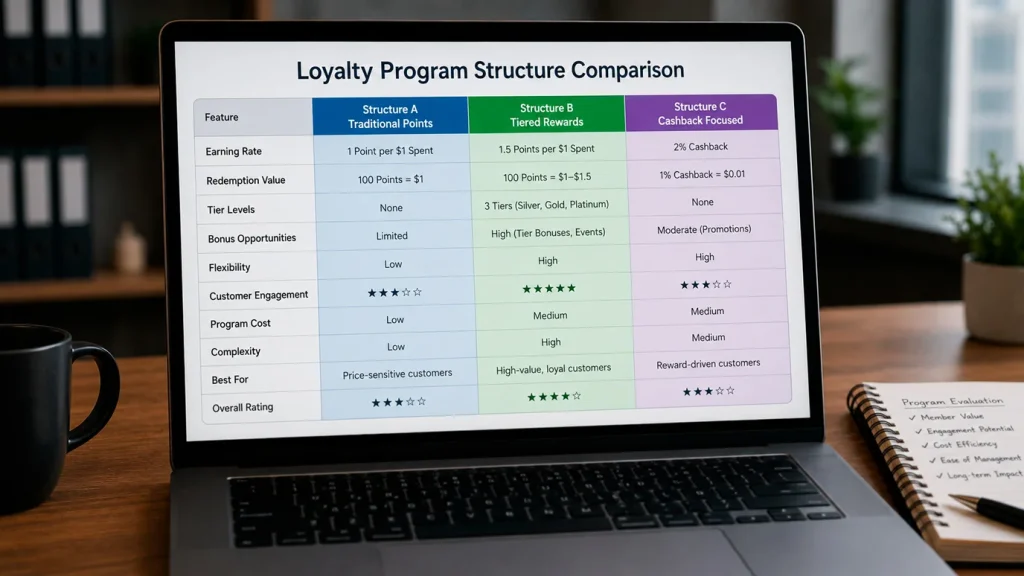
The most player-friendly programs share three characteristics. First, documented tier requirements — you can see exactly how many points are needed for each level and how points are earned. Second, non-expiring points or reasonable expiration windows (at least 12 months of inactivity before points expire). Third, rewards that include tangible SC value rather than exclusively non-monetary perks like “exclusive game access” or “birthday greetings.”
Crown Coins Casino, which maintains a 4.8 out of 5 iOS rating across 104,600-plus reviews, has built its retention strategy around consistent player experience rather than aggressive VIP marketing. That approach — focusing on reliability and game quality — represents one loyalty philosophy. Other platforms invest heavily in tiered VIP systems with dedicated account managers for top-tier players, exclusive bonus offers, and invitation-only events. Both approaches can serve players well, but they target different player profiles.
When Loyalty Programs Work Against You
Loyalty programs are retention tools. Their purpose is to keep you playing at one platform instead of distributing your activity across competitors. That alignment of interests — the operator wants your continued engagement, you want rewards for it — is healthy when the rewards reflect genuine value. It becomes unhealthy when the program structure incentivizes behavior that is not in your interest.

Tier maintenance requirements create sunk-cost psychology. If you need to make a purchase within 30 days to maintain your tier status, you may buy Gold Coins you would not otherwise have purchased just to avoid losing accumulated status. The loyalty program has shifted from rewarding organic activity to driving artificial demand — and the player paying to maintain a tier is often spending more than the tier benefits return.
Point expiration creates urgency that pushes spending. If your points expire after 60 days of inactivity, you feel pressure to log in and play rather than taking a break when you want one. This mechanism directly conflicts with responsible gaming principles, and platforms that combine aggressive point expiration with minimal responsible gaming tools are prioritizing retention over player welfare.
The healthiest approach to loyalty programs is transactional rather than emotional. Calculate the effective rebate, compare it to your actual play patterns, and treat the rewards as a nice-to-have rather than a reason to play more than you otherwise would. If a loyalty program is influencing you to spend beyond your budget to maintain status, it is working as designed — but not in your favor. Understanding how VIP programs layer additional benefits on top of base loyalty tiers helps distinguish genuine value from engineered retention.
Do all sweepstakes casinos have loyalty programs?
No. Loyalty programs are not universal in the sweepstakes casino sector. Larger, more established operators are more likely to offer structured tier-based loyalty systems, while smaller or newer platforms may not have any formal loyalty program at all. Some platforms offer informal VIP arrangements — discretionary bonuses for high-activity players — without a documented tier system. The absence of a loyalty program is not a red flag, but its presence can add meaningful value for players who engage regularly with a single platform.
Can I participate in loyalty programs using only free Sweeps Coins?
It depends on the program"s point accrual structure. Some loyalty programs award points for SC wagering regardless of how the SC was acquired, meaning free SC from daily logins, mail-in requests, and other no-purchase methods counts toward loyalty progression. Other programs weight Gold Coin purchases heavily or exclusively, which means free-only players accumulate points much more slowly or not at all. Check the specific loyalty program terms to understand which activities earn points and at what rate.
The full ranking is in our guide to the best US sweepstakes casinos.
The top tier in detail: the VIP programs.
Articles
Created by the "Best Sweepstakes Casinos US" editorial team.