
Sweepstakes Casino Crypto: Bitcoin and Altcoin Purchase and Payout Options
 Available in US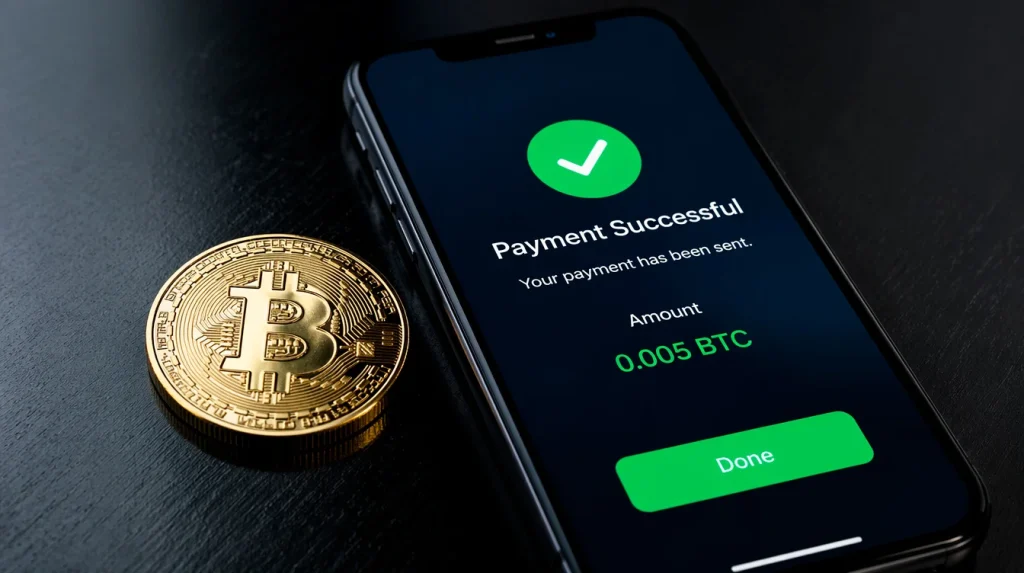
The first time I processed a crypto redemption at a sweepstakes casino, the SC-to-Bitcoin transfer landed in my wallet in under ninety minutes. The same platform quoted 48 to 72 hours for ACH bank transfers. That speed gap is the single biggest reason cryptocurrency options have moved from niche feature to competitive differentiator in the sweepstakes casino market — and why an increasing number of the 30-plus platforms that launched since September 2025 are building crypto support into their payment infrastructure from day one.
Cryptocurrency at sweepstakes casinos works on both sides of the transaction: purchasing Gold Coins with crypto and redeeming Sweeps Coins back into crypto. Not every platform supports both directions, and the coins accepted vary widely. The sweepstakes casino software market — valued at $1.2 billion in 2025 with projected growth to $2.5 billion by 2033 — is increasingly shaped by payment flexibility, and crypto integration is a core component of that evolution.
Which Sweepstakes Casinos Accept Cryptocurrency
A year ago, I could count the sweepstakes casinos with full crypto support on one hand. That number has grown substantially, though “full crypto support” still means different things at different platforms. Some accept cryptocurrency for Gold Coin purchases only — you can buy in with Bitcoin but must redeem through traditional methods like ACH or gift cards. Others support crypto in both directions, allowing you to purchase GC with Bitcoin and redeem SC back to a crypto wallet.
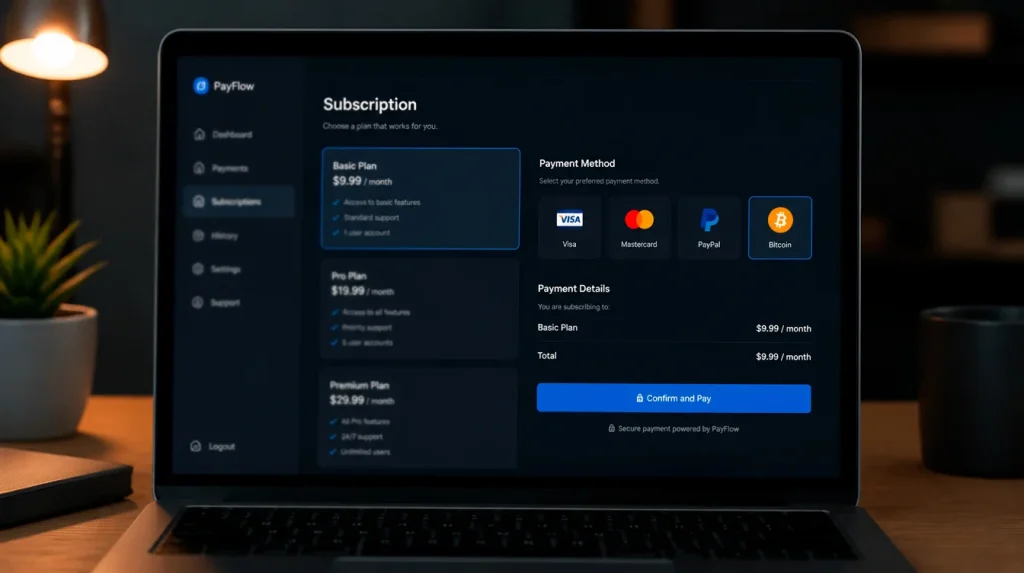
The platforms that built their identity around crypto tend to offer the broadest coin support and the fastest processing times. These operators targeted the crypto-native player demographic from launch, designing their payment pipelines around blockchain transactions rather than retrofitting crypto onto an existing banking infrastructure. The difference shows in the user experience: native crypto platforms typically process redemptions in hours, while platforms that added crypto later may route transactions through third-party processors that introduce delays.
Average payout speed across the sweepstakes sector breaks down roughly as follows: gift cards clear in 2 to 24 hours, PayPal in 4 to 24 hours, ACH bank transfers in 48 to 72 hours, and crypto from a few hours onward. Crypto’s speed advantage is most pronounced compared to ACH — the method most players default to — where the gap can be measured in days rather than hours.
Supported Cryptocurrencies: BTC, ETH, LTC, and More
Bitcoin is the universal baseline. Every sweepstakes casino that accepts cryptocurrency supports BTC. Beyond that, the landscape fragments quickly. Ethereum, Litecoin, and Bitcoin Cash form the second tier — widely supported but not universally. Some platforms accept Dogecoin, Tether, USD Coin, and other stablecoins or altcoins, but availability varies by operator and can change without notice.

From a practical standpoint, Litecoin often delivers the best combination of speed and low transaction fees for sweepstakes casino use. Bitcoin’s network fees can fluctuate significantly depending on blockchain congestion, and during peak periods, a $50 Gold Coin purchase might carry a $5 to $15 network fee — a 10% to 30% surcharge that erodes the value of the transaction. Litecoin’s fees are typically a fraction of that, and confirmation times are faster.
Stablecoins like USDT and USDC offer a different advantage: price stability. When you redeem SC to Bitcoin, the dollar value of your payout fluctuates from the moment the transaction initiates until you convert to fiat or spend the crypto. A $100 SC redemption paid in Bitcoin could be worth $97 or $103 by the time it hits your wallet, depending on market movement during processing. Stablecoin redemptions eliminate that volatility, delivering dollar-pegged value at crypto speed. Not every platform supports stablecoin redemptions, but the ones that do have found a compelling niche among players who want crypto’s convenience without its price risk.
Crypto Payout Speed vs. Traditional Methods
I run payout speed tests quarterly, processing small redemptions across multiple platforms and timing the interval from request submission to funds received. The results consistently show crypto outperforming traditional methods, but the margin varies significantly by operator and by specific cryptocurrency.
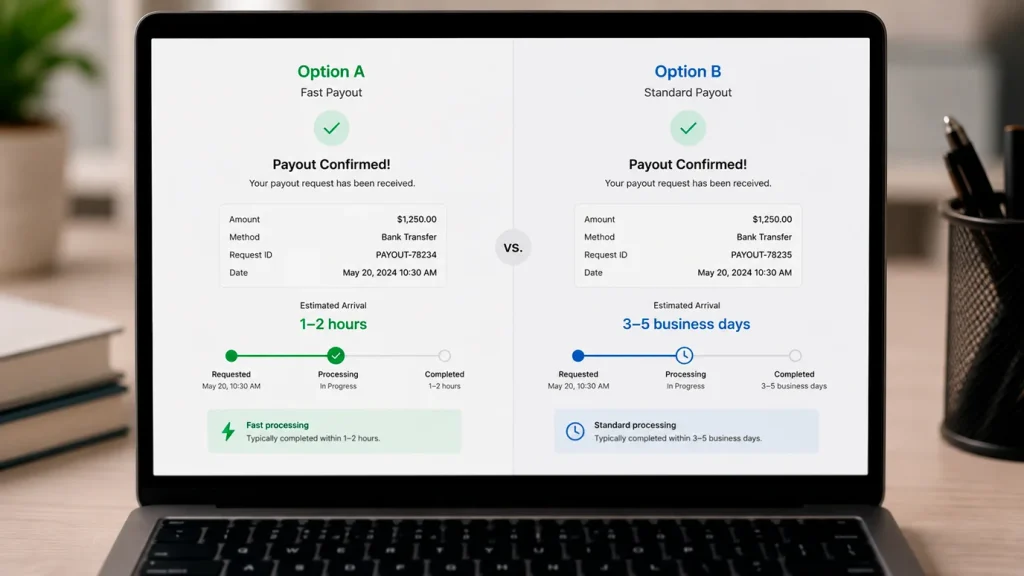
The fastest crypto redemptions I have documented completed in under two hours from request to wallet confirmation. These came from platforms with automated processing pipelines that do not require manual review for standard redemption amounts. Once KYC verification is complete and your crypto wallet address is on file, subsequent redemptions process with minimal friction.
Traditional methods are slower for structural reasons. ACH transfers route through the banking system, which operates on business-day schedules and involves clearing house intermediaries. Gift card codes must be generated and validated against retailer systems. PayPal transactions go through PayPal’s own compliance review layer. Each intermediary adds processing time that does not exist in a direct blockchain transfer.
One caveat: first-time crypto redemptions are not necessarily faster than first-time traditional redemptions. The KYC verification step applies regardless of payout method, and that verification can take 24 to 72 hours for new accounts. The speed advantage of crypto kicks in on repeat redemptions after verification is complete. For a detailed breakdown of how all payout methods compare, including median verified times by operator, I cover the full picture in the payouts guide.
Risks and Considerations for Crypto Players
The enthusiasm around crypto payouts needs to be tempered by a few realities that I see glossed over consistently. Price volatility is the most obvious: if you redeem 100 SC to Bitcoin and Bitcoin drops 8% before you sell or spend it, your effective payout was $92 rather than $100. The reverse is also true — crypto appreciation can increase your payout’s dollar value — but treating a sweepstakes redemption as a crypto investment introduces risk that has nothing to do with the casino itself.

Tax complexity is the second consideration. Cryptocurrency transactions in the United States are taxable events. When you redeem SC to crypto, the IRS treats the received crypto as income at its fair market value at the time of receipt. If you later sell that crypto at a different price, the gain or loss is a separate capital gains event. That means a single sweepstakes redemption can create two tax reporting obligations — one for the prize income and one for the subsequent sale. Traditional payout methods like ACH simplify this because the dollar amount received is the dollar amount reported.
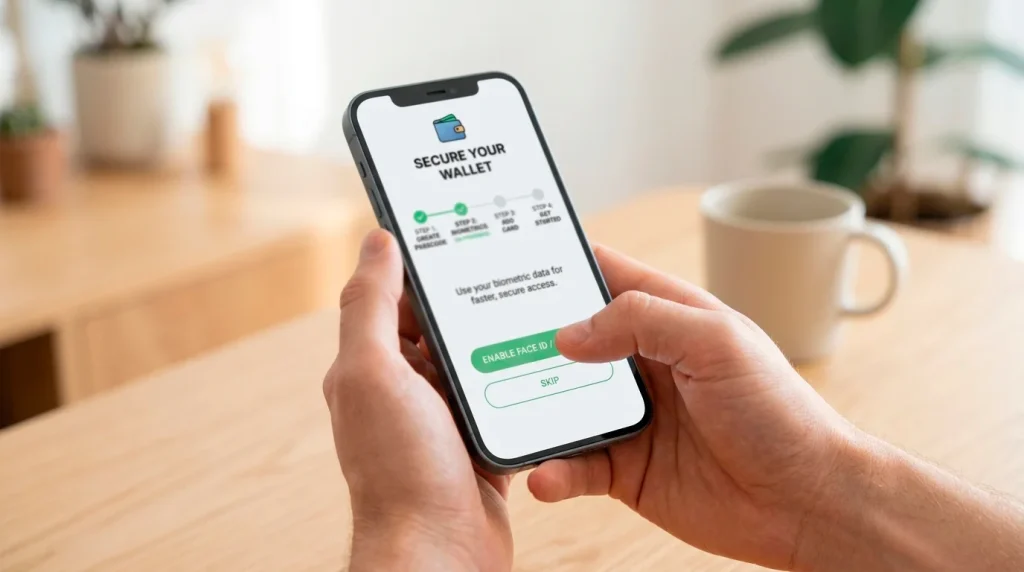
Wallet security is the third factor. Once a crypto payout hits your wallet, the security of those funds is entirely your responsibility. There is no bank to reverse a fraudulent transaction, no FDIC insurance, and no customer support line to call if you lose access to your wallet. Players who are new to cryptocurrency should invest time in understanding wallet management and private key security before routing sweepstakes redemptions through crypto channels.
Finally, not every platform’s crypto integration is equally reliable. Some operators outsource crypto processing to third-party payment gateways, and the quality of those gateways varies. I have encountered delays, failed transactions, and support teams unfamiliar with blockchain mechanics at platforms where crypto was bolted on as an afterthought. The most reliable crypto experiences come from operators that built their payment infrastructure around blockchain from the start.
Do sweepstakes casinos charge fees for crypto payouts?
Most sweepstakes casinos do not charge a platform fee for crypto redemptions, but blockchain network fees still apply. These fees are paid to miners or validators who process the transaction and vary by cryptocurrency and network congestion. Bitcoin fees can range from a few dollars to over fifteen dollars during peak periods. Litecoin and stablecoins typically carry much lower network fees, often under a dollar.
Can I buy Gold Coins with Bitcoin at any sweepstakes casino?
No. Cryptocurrency purchase support is not universal across sweepstakes casinos. A growing number of platforms accept Bitcoin for Gold Coin purchases, and some also support Ethereum, Litecoin, and other coins. However, many established operators still limit purchase methods to credit cards, debit cards, and ACH transfers. Check the specific platform"s payment options page before assuming crypto purchases are available.
The full ranking is in our guide to the best US sweepstakes casinos.
How the redemption itself works: the payout guide.
Articles
Prepared by the Best Sweepstakes Casinos US editorial staff.