
Responsible Gambling Tools: What Exists and What Is Missing
 Available in US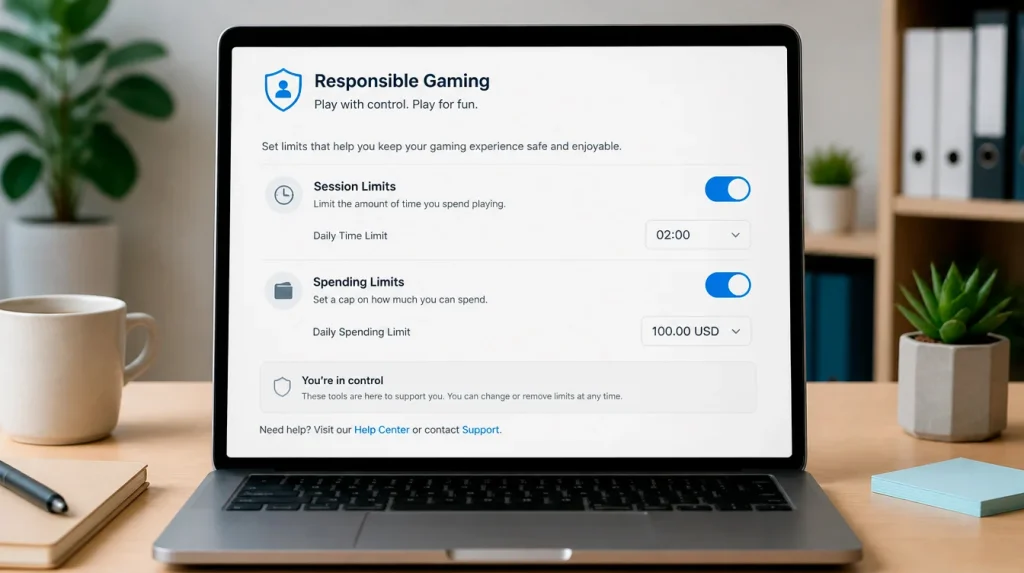
I set a $50 daily purchase limit on a sweepstakes casino account in early 2025 to test how the platform handled it. The next day, I attempted a $75 Gold Coin purchase. It went through. The limit I had set was either not applied, not enforced, or overridden by a system that treated the setting as cosmetic rather than functional. That single experience crystallized a pattern I have observed across much of the sweepstakes casino sector: responsible gaming tools exist on paper, but the gap between what is advertised and what actually works is wider than most players realize.
Only 45% of Americans know where to turn for help with problem gambling, according to the National Council on Problem Gambling. That awareness gap exists in a market where 64% of Americans believe the gaming industry is committed to responsible play — up from under 40% in 2018. The disconnect between perceived commitment and actual tool implementation is the story of responsible gaming at sweepstakes casinos.
Responsible Gaming Features at Leading Operators
The features that exist across sweepstakes casinos fall into a few categories: session limits, purchase limits, self-exclusion, reality checks, and activity summaries. Not every operator offers all of these, and the implementation quality varies even among platforms that check every box on paper.
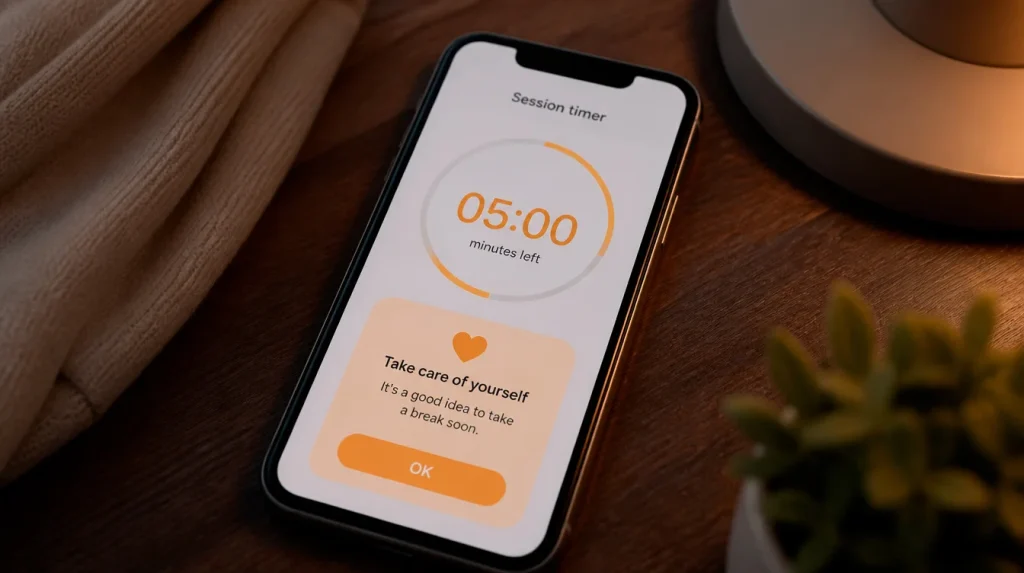
Session time limits allow players to set a maximum duration for their playing session, after which the platform either warns them or forces a logout. When properly implemented, a session limit pops up a notification at the designated time with a clear option to stop playing. When poorly implemented — and I have seen this — the notification appears but can be dismissed with a single click, and play continues uninterrupted. The friction that makes a limit effective is the same friction that operators want to minimize for engagement reasons.
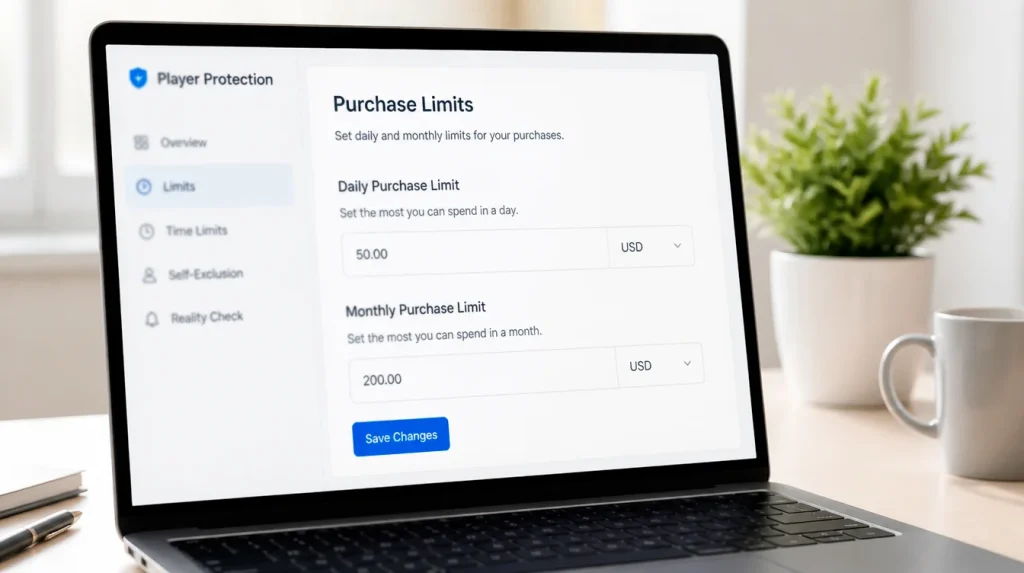
Purchase limits cap the dollar amount a player can spend on Gold Coins within a defined period — daily, weekly, or monthly. These are the most directly impactful tool because they restrict financial exposure. The enforcement issue I described in my opening is not universal, but it is not isolated either. Platforms that integrate purchase limits into their payment processing backend enforce them reliably. Platforms that implement limits at the UI layer without backend enforcement create an illusion of protection that a determined player can bypass.
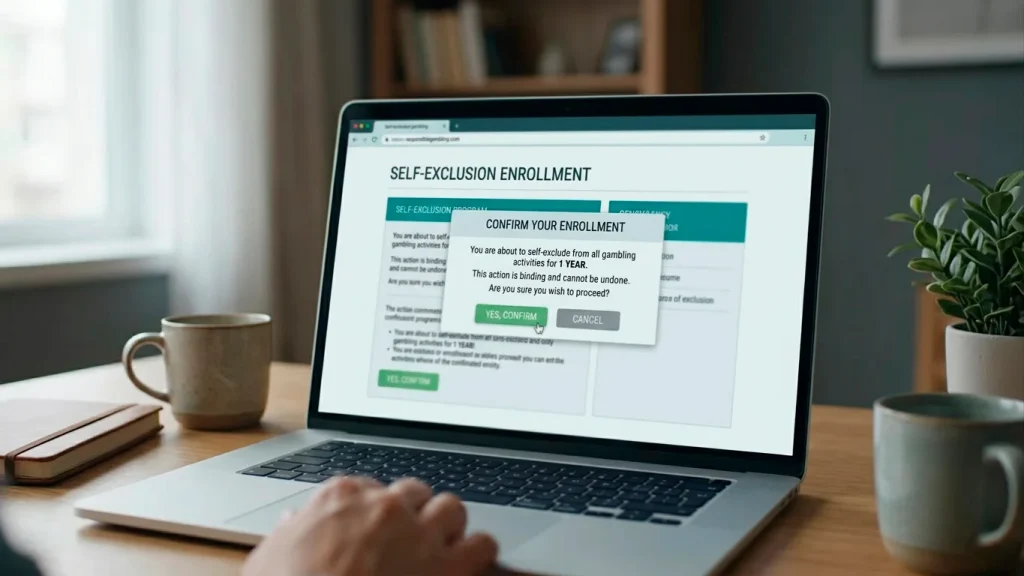
Self-exclusion programs let players voluntarily ban themselves from the platform for a set period or permanently. This is the most serious responsible gaming tool, and its effectiveness depends entirely on whether the exclusion is actually enforced. At regulated online casinos, self-exclusion typically blocks account access, prevents new account creation using the same identity, and may involve coordination with multi-operator exclusion registries. At sweepstakes casinos, self-exclusion policies vary dramatically — some operators maintain robust exclusion systems, while others offer a “cooling off” period that can be reversed after a brief waiting window.
Reality checks — periodic notifications reminding players of time and money spent during a session — are the lightest-touch tool and the most commonly available. Most platforms that offer any responsible gaming features include some form of activity tracking, though the visibility and intrusiveness of these notifications ranges from prominent on-screen alerts to buried menu items that require active seeking.
What Sweepstakes Casinos Lack Compared to Regulated Platforms
The comparison with regulated online casinos — operating in states like New Jersey, Pennsylvania, and Michigan — exposes the structural gaps in sweepstakes casino responsible gaming.
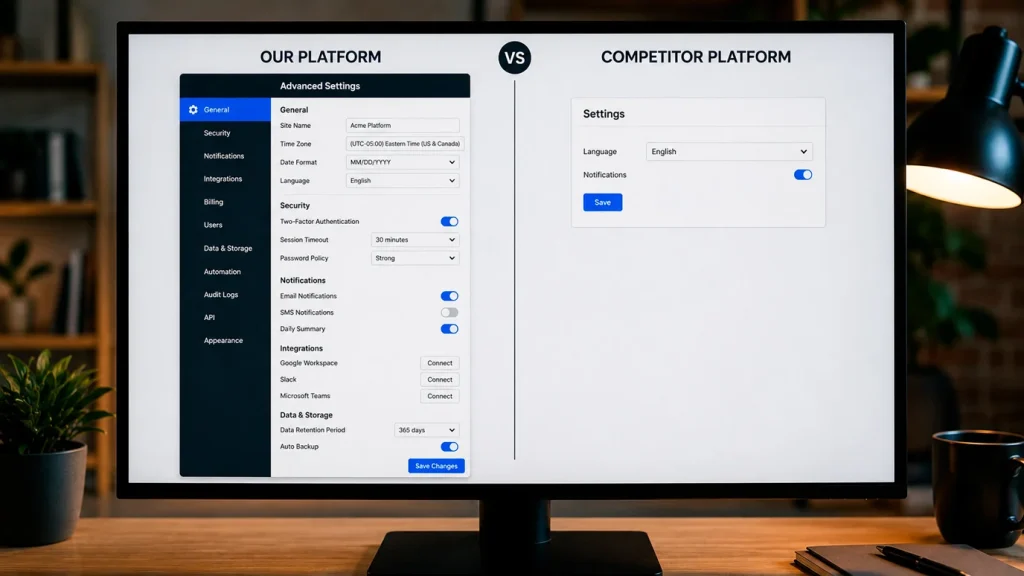
Regulated casinos must comply with state gaming commission requirements for responsible gaming tools. These requirements are not suggestions — they are licensing conditions. Failure to implement mandated tools risks fines, license suspension, or revocation. That enforcement mechanism creates accountability that does not exist in the sweepstakes sector.
Statewide self-exclusion registries are standard in regulated iGaming. A player who self-excludes through the New Jersey Division of Gaming Enforcement is blocked from every licensed online casino in the state, not just one operator. Sweepstakes casinos have no equivalent. Self-excluding from one platform has no effect on your access to any other sweepstakes casino. A player struggling with compulsive behavior would need to self-exclude from each platform individually — an unrealistic expectation for someone in the grip of problematic play.
Mandatory deposit limits — hard caps on how much a player can purchase within set periods — exist in some regulated jurisdictions. Sweepstakes casinos that offer purchase limits almost always make them voluntary and player-set. The difference matters: a voluntary limit relies on the player’s own judgment about appropriate spending, which is precisely the judgment that problem gambling impairs. A mandatory limit protects players from themselves, which is the entire point of responsible gaming regulation.
AI-driven intervention systems are emerging in regulated gambling — algorithms that detect patterns indicative of problem gambling (rapid spending increases, chasing losses, long session times) and trigger automated interventions ranging from pop-up warnings to forced cooling-off periods. I am not aware of any sweepstakes casino that has deployed a comparable system, though some operators have mentioned exploring the technology without providing implementation timelines.
Researchers have also noted a concerning crossover pattern: some sweepstakes casino players transition to real-money gambling platforms, with the sweepstakes experience potentially serving as a bridge to higher-risk activity. This pathway reinforces the need for robust responsible gaming tools at the sweepstakes level, before players escalate to products with even less protection at unregulated real-money alternatives.
Where to Get Help if You Need It
If you or someone you know is struggling with gambling-related problems, help is available. The National Council on Problem Gambling operates a confidential helpline that has transitioned to an easier-to-remember number: 1-800-MY-RESET. NCPG Executive Director Heather L. Maurer has emphasized that “making the number easier to remember helps ensure people across the country can quickly connect with high-quality, confidential support when they need it.”
The helpline provides free, confidential support 24 hours a day, 7 days a week. Trained counselors can help assess the severity of a gambling problem, provide referrals to local treatment providers, and connect callers with support groups. The service is available in English and Spanish, with translation services for other languages.
Text-based support is also available for those who prefer not to call. The NCPG helpline accepts text messages, and several states operate their own problem gambling helplines with additional local resources. The key step is reaching out — the awareness gap that leaves 55% of Americans unable to identify where to get help means that simply knowing the number puts you ahead of the majority.
Sweepstakes casino operators are not obligated to provide responsible gaming resources, but the more reputable ones include links to the NCPG helpline, self-assessment tools, and general responsible gaming information in their footers or help centers. If you cannot find responsible gaming resources on a platform you use, that absence is itself a signal about the operator’s priorities.
Do sweepstakes casinos let you set daily spending limits?
Some do, but implementation quality varies significantly. Platforms that integrate purchase limits into their payment processing backend enforce them reliably — a purchase exceeding the set limit is blocked at the transaction level. Platforms that implement limits only at the user interface layer may allow purchases to go through despite the stated limit. Not all sweepstakes casinos offer purchase limit settings at all. If spending control is important to you, test the limit with a small amount before relying on it.
How does self-exclusion work at sweepstakes casinos?
Self-exclusion policies vary by operator. Some platforms allow you to lock your account for a set period — typically 24 hours, 7 days, 30 days, or permanently — during which you cannot log in, play, or make purchases. Others offer a less restrictive cooling-off period that can be reversed after a short waiting window. Unlike regulated online casinos, there is no multi-operator self-exclusion registry for sweepstakes casinos. Excluding yourself from one platform does not affect your access to any other sweepstakes casino, which limits the tool"s effectiveness for players who use multiple platforms.
The full ranking is in our guide to the best US sweepstakes casinos.
How the format differs from licensed play: the comparison.
Articles
Published by the Best Sweepstakes Casinos US team.